The European Union’s Packaging and Packaging Waste Regulation (PPWR), Regulation (EU) 2025/40, entered into force on 11 February 2025 and has generally applied since 12 August 2026. However, several of the requirements that matter most to manufacturers are due to take effect in 2030. The period leading up to 2030 gives manufacturers time to prepare.
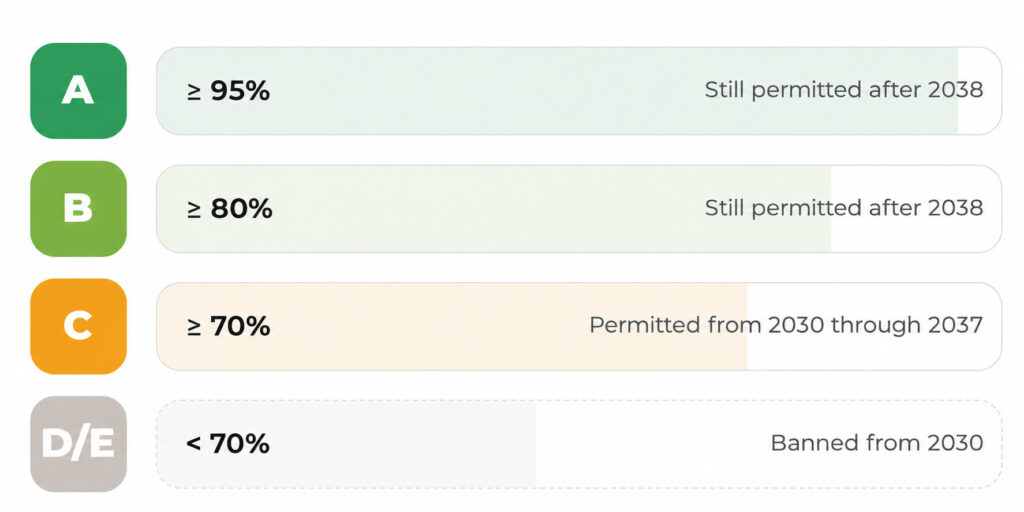
From 2030, packaging placed on the EU market will need to be designed for recycling. Packaging will receive a recyclability grade of A, B or C. The detailed criteria for these grades are due to be published by 2028. Waste management fees will also vary by grade, with lower fees for packaging that is easier to recycle. From 2038, Grade C packaging will no longer be allowed on the market. In its announcement of 12 August 2026, the European Commission summarised the goal in simple terms. All packaging must be recyclable by 2030. The Brussels Times reported on the same day that the EU would ban certain types of single-use packaging from 2030 and introduce progressively higher recycled content targets for plastic packaging in 2030 and 2040.
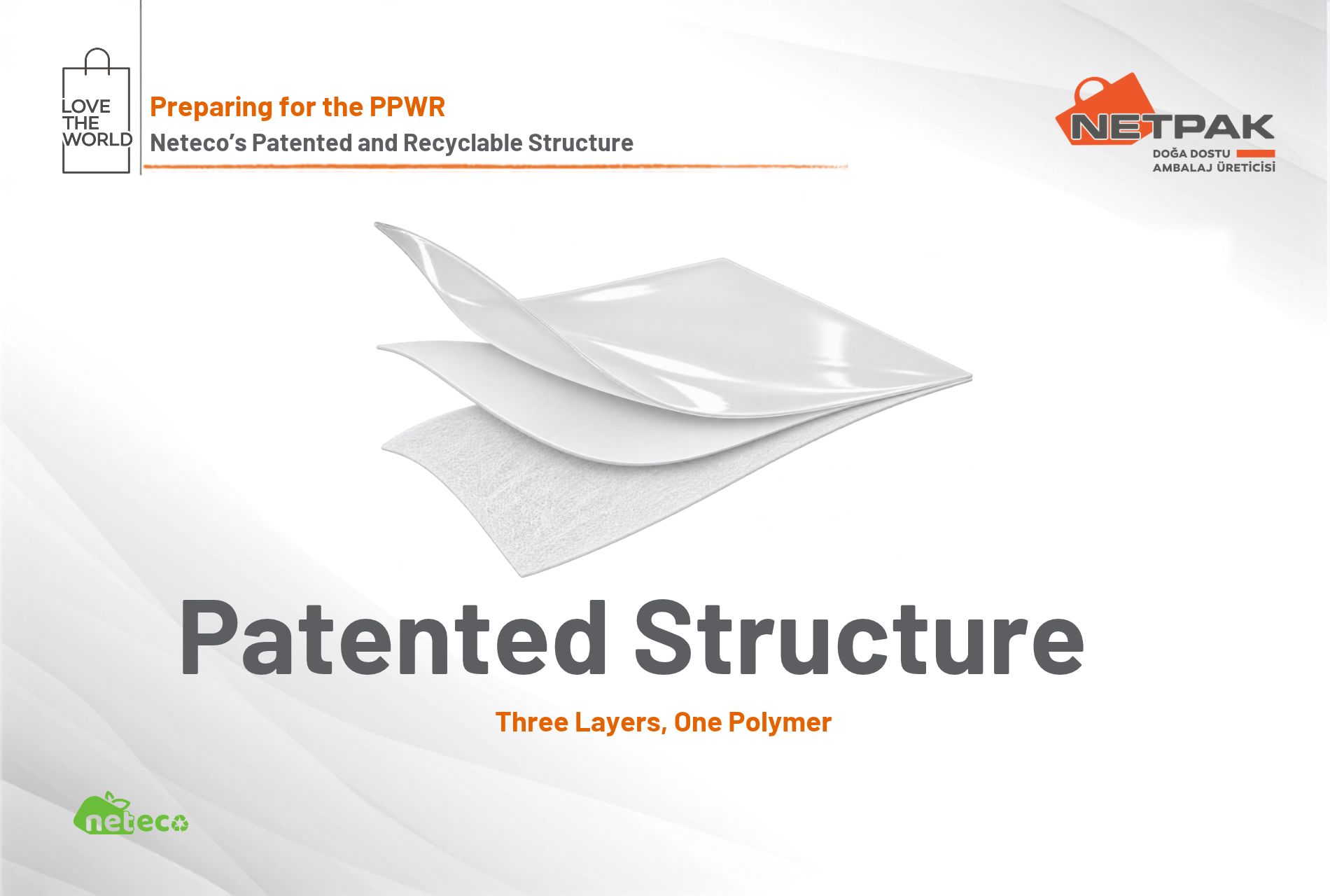
Netpak’s patented Neteco fabric is particularly relevant in this context. Its inner layer is made of nonwoven polypropylene (PP), its middle layer of extruded recycled PP, and its outer layer of oriented polypropylene (OPP) film. Because all three layers are made of polypropylene, there is no need to separate different materials. The resulting single-material structure, known as mono-PP, can be processed in existing PP recycling systems. CEFLEX, whose guidelines are widely used in the flexible packaging industry, also recommends mono-PP and mono-PE structures. Independent testing remains important because details such as the amount of adhesive used and the printing on the packaging will affect the final grade.
Grade A is particularly important for Netpak. To qualify, at least 95% of the packaging must be recyclable by weight. Multilayer structures made from different polymers often fall below this threshold. Netpak expects its patented structure to qualify for Grade A because all its layers are made of polypropylene. With no other polymer to separate, the assessment will depend on details such as the adhesive, the printing inks and the proportion of film used. The final grade will depend on the assessment criteria due by 2028 and the results of independent testing. If Grade A is confirmed, the packaging will fall outside the restriction on Grade C packaging from 2038 and qualify for the lowest waste management fee tier.
How the bag is used also matters. Under the PPWR, a bag sold empty and designed for at least ten uses may be classified as a product in its own right. A sack or bag that is filled and used to carry goods qualifies as packaging and is subject to the rules on recyclability and waste management fees. The same material can therefore be subject to different rules depending on its use.
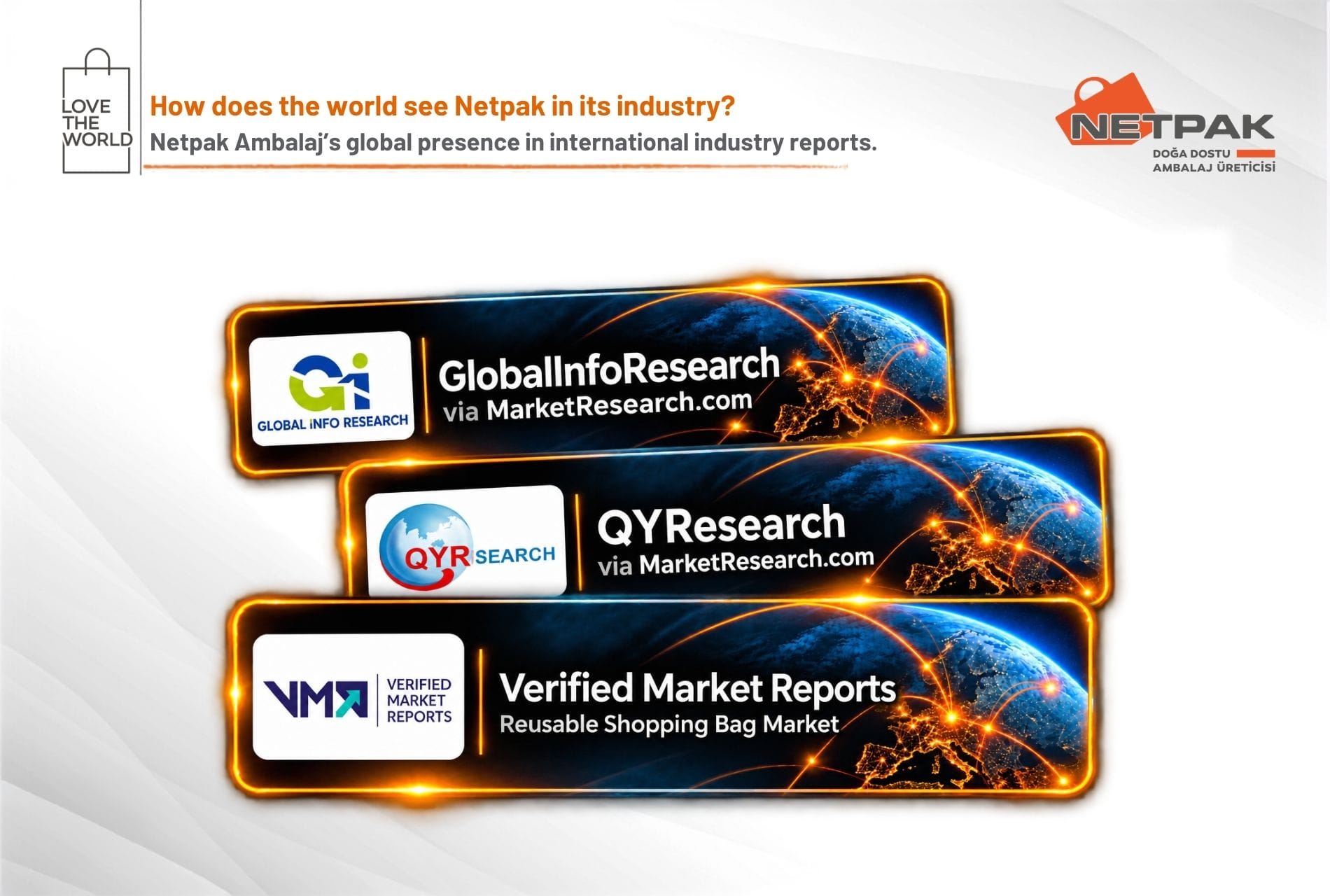
Market data also point to growth in these areas. According to Market Research Future, the global recycled polypropylene market was worth $9.15 billion in 2024 and is projected to reach $16.44 billion by 2035, with a compound annual growth rate of 5.47% over the 2025–2035 period [3]. Allied Market Research forecasts annual growth of 4.9% for the woven PP bag market from 2024 to 2033 [4]. Global Market Insights reports that the nonwoven packaging market reached $3 billion in 2024 and is expected to grow by 8.6% annually from 2025 to 2034 [5]. The reports cover different markets and use different methods, which limits direct comparison. All three, however, point to growth in markets relevant to recycled materials and polypropylene-based products.
News coverage reflects a similar trend. The Commission’s announcement emphasises the importance of designing packaging for recycling from the outset [1]. The Brussels Times highlights the costs that producers could face under extended producer responsibility rules if their packaging fails to meet the requirements [2]. Netpak’s all-polypropylene structure addresses both points. Its layers can enter the recycling process together, and the design could help reduce waste management fees once the grading criteria are clear. Any cost advantage will depend on the criteria due by 2028 and the results of independent testing.
The structure is protected by intellectual property rights, and Netpak aims to make it available to other manufacturers through licensing. It is particularly relevant to companies in agriculture, food, retail and construction that are considering a shift from multilayer packaging made with different materials to a mono-PP structure. There is still time before 2030, but redesigning packaging, testing it and adapting production lines all take time. Starting early can give manufacturers across these sectors a significant advantage.
Sources
[1] European Commission, 12 August 2026. “New packaging rules for less waste and easier recycling”
[2] The Brussels Times, 12 August 2026. “EU tightens packaging rules with bans on single-use items”
[3] Market Research Future. Recycled Polypropylene Market (2025–2035)
[4] Allied Market Research, as reported by Kalkine Media. Polywoven Bags Market (2024–2033)
[5] Global Market Insights, via MarketResearch.com. Nonwoven Packaging Market (2025–2034)
Gökmen Efecan | Business Developmnet and Operations Manager | netpak.com.tr